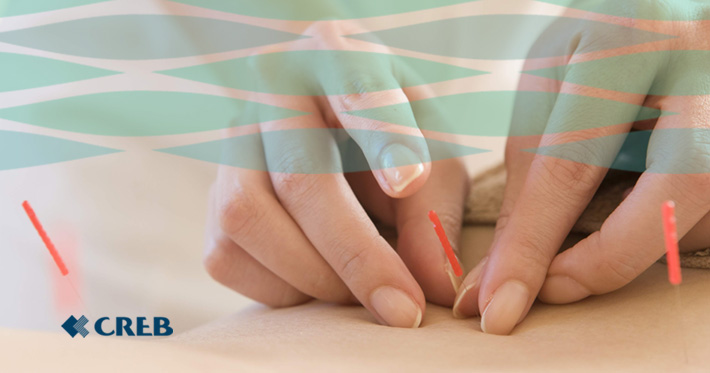
Acupuntura ganha espaço no combate à dor


Acupuntura ganha espaço no combate à dor
Utilizada pela milenar medicina chinesa, a acupuntura vem sendo utilizada cada vez mais no ocidente como uma excelente opção no combate à dor, trazendo alívio e qualidade de vida para os pacientes. Trata-se de um protocolo utilizado para os mais diversos tipos de tratamento.
A acupuntura se utiliza de agulhas com a espessura de um fio de cabelo, que são aplicadas em pontos pré-determinados, segundo o quadro do paciente.
- A acupuntura se baseia na restauração do funcionamento neural do organismo. Ela promove uma neuromodulação de tudo que envolve o sistema nervoso central e periférico do paciente. Além de trazer o alívio para a dor, a acupuntura atua sobre a hipertensão arterial, transtornos do sono, síndromes de equilíbrio, asma, alergias, refluxos gástricos, disfunção erétil, incontinência urinárias e muitas outras patologias – explica Bruno Vargas, ortopedista do CREB – Centro de Reumatologia e Ortopedia.
O Dr. Bruno pontua que apenas profissionais habilitados devem praticar a acupuntura, cuja técnica é complexa. Ele acrescenta que apenas um médico pode diagnosticar a doença do paciente e recomendar a acupuntura.
- Na China, somente pessoas graduadas em medicina tradicional chinesa ou medicina ocidental podem exercer a Acupuntura. Vale lembrar que essa prática é reconhecida como especialidade médica no Brasil desde os anos 80 – finaliza. O CREB oferece a especialidade, com profissionais habilitados e gabaritados para a sua prática terapêutica.
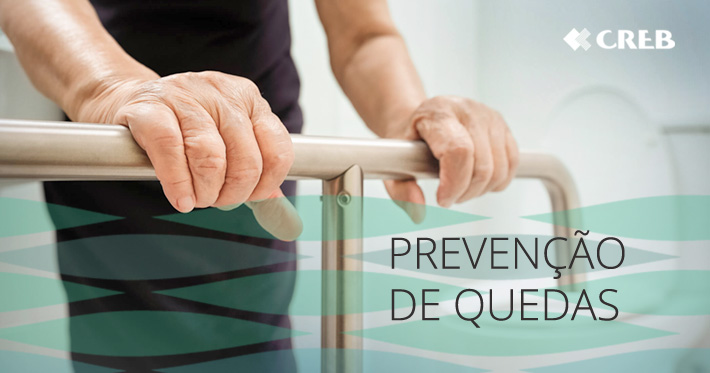
Reumatologista do CREB alerta sobre risco de quedas
REUMATOLOGISTA DO CREB ALERTA SOBRE RISCO DE QUEDAS
A queda do Presidente Jair Bolsonaro no banheiro do Palácio da Alvorada provocou um grande susto em todos, no entanto é um acidente absolutamente comum entre pessoas de terceira idade em todo o mundo. Comum e alarmante: segundo as estatísticas, a taxa de mortalidade dobra tanto em homens quanto em mulheres que sofrem fratura do fêmur após um tombo acidental, como o do Presidente.
De acordo com o Dr. Haim Maleh, reumatologista do CREB (Centro de Reumatologia e ortopedia Botafogo) e da UFRJ (Universidade Federal do Rio de Janeiro), pessoas com mais de 65 anos têm maior risco de quedas, principalmente se tiveram um histórico prévio de tombos acidentais, quadro de artrite ou artrose, depressão, tonteira ou doenças crônicas como diabetes ou obesidade, por exemplo.
- Pessoas da terceira idade, com esses fatores de risco, são mais propensos a sofrerem quedas. Outros fatores muito comuns são fraqueza do corpo inferior, deficiência de vitamina D, uso de medicamentos (principalmente depressivos ou sedativos), problemas de visão, dor no pé e uso de calçado inapropriado. Outro fator muito importante é o risco no ambiente domiciliar, como degraus irregulares, falta de corrimão na escada, uso de tapetes soltos, entre outros – enumera o Dr. Haim.
Cuidados para prevenção de quedas
O reumatologista do CREB dá alguns conselhos para a prevenção de riscos de quedas. De acordo com ele, o primeiro passo é admitir que se está em risco, o que é fundamental em busca de uma postura preventiva. Praticar atividade física regular, para fortalecer a musculatura e melhorar o equilíbrio, é muito importante.
- A hidroterapia é uma excelente opção para a terceira idade. Essa atividade permite ganho muscular sem gerar impacto nas articulações. O fundamental é que a pessoa encontre uma atividade física que lhe dê prazer e seja regular – explica.
O Dr. Haim aconselha, também, a avaliação da pisada, por meio de um exame chamado baropodometria computadorizada. Esse exame, indolor e não invasivo, também disponível no CREB, permite avaliar a forma de pisar e a correção individualizada da pisada, com uso de palmilha, se for o caso. A massa óssea também deve ser avaliada, por meio de um exame chamado densitometria óssea, igualmente disponível na clínica. O exame detecta a presença da osteoporose, doença caracterizada pela perda de massa óssea, que torna os ossos frágeis, sendo um dos grandes fatores de risco de queda com fratura.
- Também é preciso rever o ambiente domiciliar. É preciso evitar a desordem, com sapatos e objetos caídos no chão, tapetes soltos são um perigo e o ambiente precisa estar sempre muito bem iluminado. Barras de apoio no banheiro são fundamentais na terceira idade. Durante a noite, o uso de luzes noturnas é recomendado – avisa ele.
Cientistas buscam novos remédios para lúpus
Manifestada geralmente por intensas dores articulares, lesões cutâneas no rosto e problemas renais, o lúpus afeta principalmente mulheres em idade reprodutiva. A consulta a um reumatologista é fundamental. “Doença crônica, sistêmica e de causa desconhecida, o lúpus acomete principalmente mulheres, na maior parte das vezes na faixa entre os 15 e 35 anos. Os sintomas da doença variam de paciente para paciente, mas os mais frequentes são dores articulares, manifestações de pele, principalmente nas áreas expostas ao sol, inflamação da pleura e do pericárdio, anemia, alterações dos glóbulos brancos e plaquetas e doença renal”, explica Haim Maleh, fisiatra e reumatologista do CREB – Centro de Reumatologia e Ortopedia Botafogo.
Segundo ele, o diagnóstico do lúpus é feito a partir de critérios clínicos e de exames laboratoriais específicos. Não é uma doença contagiosa e tem tratamento. “Um dos medicamentos que pode ser usado é a Cloroquina, que é também uutilizado nas manifestações de pele”, explica o reumatologista, lembrando que os portadores de lúpus devem buscar uma vida saudável, uma dieta equilibrada e evitar o sedentarismo.
Médicos e cientistas franceses têm avançado na pesquisa de novos medicamentos e anunciaram testes em humanos, em 2011, do medicamento cardiológico clopidogrel. Pesquisas com camundongos afetados por graves formas de lúpus, que ingeriram a substância regularmente, apresentaram melhores condições de saúde das cobaias e prolongamento significativo de sua expectativa de vida. O clopridogrel faz parte da família de medicamentos antiplaquetários, que ajudam a prevenir a formação de coágulos perigosos. Ele é prescrito para reduzir o risco de crise cardíaca (infarto) ou acidente vascular cerebral (AVC).
Atendimento médico especializado no Rio de Janeiro:
- BARRA DA TIJUCA: Av. das Américas, 700 - Bloco 8 - Loja 320 - Città Américas
- BOTAFOGO: Rua Voluntários da Pátria, 408
- COPACABANA: Rua Barata Ribeiro, 774 - ao lado do metrô
- LEBLON: Av. Ataulfo de Paiva, 355
- MÉIER: Rua Dias da Cruz, 13 - ao lado da estação Méier
Atendimento médico Ortopedia e Fisioterapia em São Paulo:
- SANTO AMARO: Av. Santo Amaro, 5702
- INTERLAGOS: Av. Interlagos, 2255 - âncora SS03 - Shopping Interlagos
- TATUAPÉ: Rua Apucarana, 1619