Fisiatra do CREB fará certificação internacional em medicina regenerativa e laserterapia médica


Fisiatria do CREB fará certificação internacional em medicina regenerativa e laser terapia médica
O fisiatra Antônio D’Almeida Neto, do CREB – Centro de Reumatologia e Ortopedia, estará no Chile de 30 de março a 5 de abril, quando fará uma certificação internacional em medicina regenerativa e laserterapia médica.
A certificação é da Sociedade Internacional de Medicina Regenerativa e da Sociedade Internacional de Laserterapia Médica, e permitirá ao Dr. Antônio não apenas atuar nestes segmentos, mas também ministrar palestras e workshops e participar de conferências como palestrante.
Segundo o médico do CREB, o segmento de laserterapia médica atua na área de regeneração de tecidos e quadros inflamatórios de dor articular em inúmeras patologias, enquanto a área de medicina regenerativa complementa essa atuação. “Ambas as áreas já existem no Brasil, mas essa certificação é mais ampla e profunda. Poderemos utilizar tais segmentos diante de insucessos em tratamentos de problemas musculoesqueléticos”, afirma o fisiatra, um dos principais especialistas do país em TOC – Tratamento de Ondas de Choque.
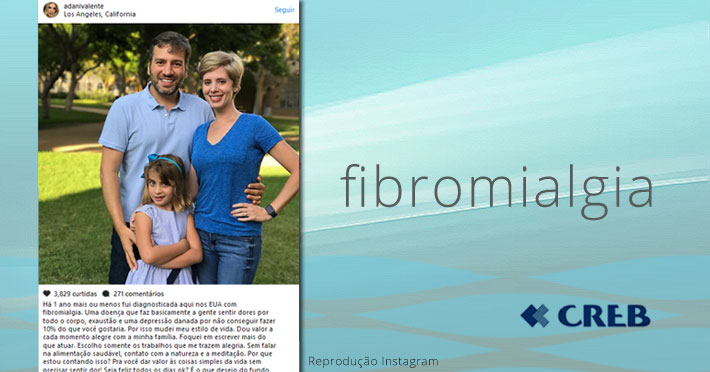
Atriz Dani Valente revela ter fibromialgia
Com tratamento, é possível recuperar a qualidade de vida perdida com a Fibromialgia
Conhecida pelo seu trabalho em Zorra Total e Malhação, a atriz Dani Valente utilizou seu perfil no Instagram para comunicar que foi diagnosticada com fibromialgia. Ela relatou sentir dores por todo o corpo, exaustão e “uma depressão danada por não conseguir fazer 10% do que você gostaria”.
Dani mora atualmente nos Estados Unidos, e disse que por conta da doença optou por uma alimentação saudável, meditação e contato com a natureza, e que hoje escolhe seus trabalhos, optando mais por escrever do que atuar. Por fim, ela disse que optou por divulgar sua doença para que as pessoas possam dar valor às coisas simples da vida, “Seja feliz todos os dias ok? É o que desejo do fundo do coração”, finaliza ela a mensagem para os fãs.
A fibromialgia é uma das doenças reumatológicas que mais levam o paciente ao consultório do médico. De 3% a 5% da população pode apresentar tal quadro clínico, sendo que entre 80% e 90% desse total são mulheres na faixa entre 30 e 60 anos. Uma pesquisa revela que 63% dos brasileiros que têm a doença diagnosticada não sabem descrever os sintomas da fibromialgia ao médico. E cerca de 70% dos que receberam esse diagnóstico jamais ouviram falar até então sobre a doença.
– Esta é uma doença ainda pouco conhecida. Temos dificuldade de diagnosticá-la porque não há exames que possam comprovar que o paciente é portador da fibromialgia. Ele irá se basear em aspectos clínicos, na avaliação da história familiar e no exame físico do paciente. Os principais sintomas são dores generalizadas pelo corpo, nas articulações, na coluna vertebral, nos músculos e nos tendões, dor de cabeça, sensibilidade maior ao frio, formigamento nos pés e ou nas mãos, tonteiras, desânimo, fadiga, dificuldades para dormir, sono não reparador e, ainda, falta de motivação e tristeza. É preciso que o reumatologista seja bastante experiente para diagnosticar a doença – relata o reumatologista Sérgio Rosenfeld, do CREB – Centro de Reumatologia e Ortopedia.
O que a atriz Dani Valente não falou em seu post é que é possível tratar da fibromialgia e devolver ao paciente a qualidade de vida perdida. Além de medicamentos específicos e prática regular de exercício físico, o CREB utiliza protocolos que incluem acupuntura, pilates terapêutico, RPG e hidroterapia, com excelentes resultados.
– É preciso entender as necessidades do paciente e apresentar um tratamento individualizado. Com esse tratamento, podemos melhorar a dor, a mobilidade, o humor, o sono e, assim, estabelecer uma rotina normal. É importante que o paciente procure um médico bastante experiente. É possível devolver a qualidade de vida perdida, e é isso que buscamos fazer – finaliza o Dr. Sérgio.
Qualidade de vida na terceira idade
Catarata, osteoporose, artrose… essas são apenas três das várias doenças que são percebidas pela maioria das pessoas como males que acometem apenas pessoas da terceira idade.
Trata-se de um mito. É verdade que o envelhecimento traz um desgaste natural do nosso corpo, e isso pode provocar uma série de enfermidades, mas adoecer não de ver considerado algo natural apenas porque a pessoa atingiu a terceira idade. A expectativa de vida da população mundial vem crescendo, o que é um indicativo de que é possível, sim, viver mais e com qualidade de vida. No Brasil, a expectativa de vida está em 75,5 anos, de acordo com levantamento feito em 2015.
Prevenção é sempre o melhor remédio
– Cada vez mais é possível se viver com qualidade, mesmo na terceira idade. O idoso sabe que pode ser acometido por alguma enfermidade, isso faz parte da vida, mas se essa doença for diagnosticada e tratada, sua qualidade de vida pode não ser comprometida – afirma a Reumatologista Liseth Acochiri, do CREB – Centro de Reumatologia e Ortopedia Botafogo.
Segundo a médica, a associação entre velhice e doença não deve ser de causa. A Dra. Liseth pontua que muitas vezes a pessoa tem um problema por 20, 30 anos, e não procura o devido tratamento, o que certamente irá trazer sérios problemas na velhice. O lema, diz ela, é: a prevenção é sempre o melhor remédio.
– A osteoporose é um excelente exemplo para falarmos dessa questão. Você sabia que existe um exame, chamado densitometria óssea, que disponibilizamos aqui no CREB, que pode indicar mostrar o enfraquecimento dos ossos dez anos antes? Assim, podemos tratar e manter a qualidade de vida da pessoa. No CREB temos o Prevrefrat, um programa de prevenção da refratura, cujo objetivo é exatamente o de prevenir uma nova fratura. Enfim, é possível garantir a qualidade de vida na terceira idade, mas a pessoa precisa se tratar e manter hábitos saudáveis, como uma alimentação regrada e rica em cálcio, fazer atividade física regular orientada, pegar sol, evitar o sobrepeso, se ocupar e ir ao médico – afirma ela.
Atendimento médico especializado no Rio de Janeiro:
- BARRA DA TIJUCA: Av. das Américas, 700 - Bloco 8 - Loja 320 - Città Américas
- BOTAFOGO: Rua Voluntários da Pátria, 408
- COPACABANA: Rua Barata Ribeiro, 774 - ao lado do metrô
- LEBLON: Av. Ataulfo de Paiva, 355
- MÉIER: Rua Dias da Cruz, 13 - ao lado da estação Méier
Atendimento médico Ortopedia e Fisioterapia em São Paulo:
- SANTO AMARO: Av. Santo Amaro, 5702
- INTERLAGOS: Av. Interlagos, 2255 - âncora SS03 - Shopping Interlagos
- TATUAPÉ: Rua Apucarana, 1619